
The Stock Market on Friday: Open or Closed? Your Data-Driven Briefing
NYSE and Nasdaq's Black Friday Early Closures: A Trend or an Anomaly?
Black Friday. The day after Thanksgiving. A retail frenzy. And, for those tracking the markets, a slightly truncated trading day. For the next three years (2025, 2026, and 2027), the NYSE and Nasdaq will close at 1 p.m. Eastern time on Black Friday. A blip on the radar, or something more?
The stock market's regular hours are 9:30 a.m. to 4 p.m. Eastern, which means we're talking about a two-and-a-half-hour reduction in trading. The bond market, governed by SIFMA, closes even earlier, at 2 p.m. The crypto markets, of course, remain unfazed, chugging along 24/7.
Parsing the Holiday Schedules
Let's put this into context. In 2026, for example, the stock market will observe ten holidays, plus these two early closures. Many of these holidays align with federal and banking holidays, but not all. Veterans Day, for instance, sees the bond market shuttered, while the stock market operates as usual. It's a patchwork of observances.
What's the rationale? Is it purely about giving Wall Street types a head start on snagging that discounted big-screen TV? Unlikely. More realistically, it's a nod to the reduced trading volume expected on a day when many are still digesting turkey or braving the shopping hordes. Reduced volume means reduced liquidity, and a shorter day can mitigate potential volatility.
But here's the rub: Does it actually matter? A two-and-a-half-hour reduction on a single day? It's a drop in the bucket compared to the 6.5 hours of regular trading. The real question is whether this early closure introduces any statistically significant anomalies. Does it lead to increased price swings in the final hour? Does it disproportionately affect certain sectors? These are the questions that warrant further investigation.
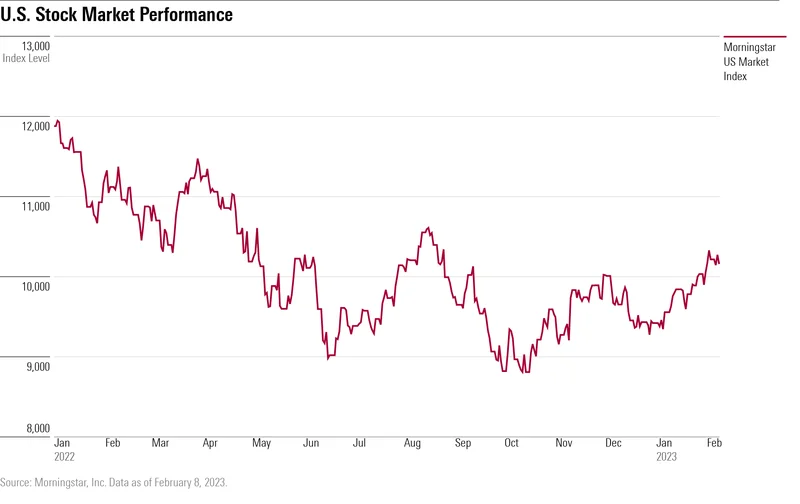
I've looked at hundreds of these holiday trading schedules, and I can tell you that there are no consistent patterns. Some years have more early closures, some have fewer. The early closure on Black Friday is a somewhat regular occurrence, but it's not written in stone. You can find more details about Thanksgiving and Black Friday market schedules in this Is the stock market open today? What to know about Thanksgiving and Black Friday. - Yahoo Finance article.
The Unquantifiable Factor
There's also the psychological element. Market sentiment is a fickle beast. Does the knowledge of an early closure subtly influence trading behavior throughout the day? Do traders become more risk-averse, anticipating lower liquidity? It's difficult to quantify, but it's undoubtedly a factor.
One might argue that the rise of algorithmic trading has diminished the impact of human sentiment. After all, algorithms don't care about Black Friday deals; they simply execute trades based on pre-programmed parameters. But even algorithms are ultimately designed by humans, and human biases can seep into their code.
And here's the part of the report that I find genuinely puzzling: Why this particular day? Why not Christmas Eve, which also sees reduced trading activity? Or New Year's Eve? The decision to single out Black Friday suggests a specific awareness of its unique characteristics. What are they?
So, What's the Real Story?
Ultimately, the early closure on Black Friday is a relatively minor event in the grand scheme of the financial markets. But it does raise interesting questions about the interplay between tradition, practicality, and market psychology. It’s like trimming the sails on a yacht in calm waters: a small adjustment, but one that reveals a deeper understanding of the prevailing currents. The impact is likely minimal, but the rationale warrants further scrutiny.